From cold plunges to gut health deep dives, here's what Australians are actually doing to feel better this year.
If your social feed has been flooded with ice baths, sourdough starters, and breathwork tutorials lately, you're not imagining things. Wellness in Australia is having a moment and it's evolving fast. The shift happening in 2026 isn't about extreme biohacks or punishing detox protocols. It's calmer, smarter, and more grounded than that. Australians are turning away from the hustle-and-optimise approach to health and moving toward sustainable, science-backed habits that actually fit into real life.
1. Cold therapy is going mainstream
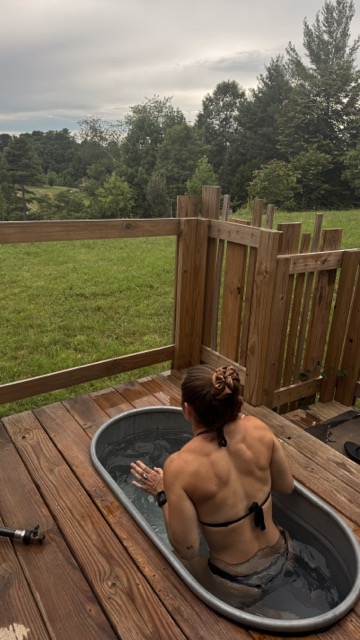
What started as a niche obsession for ultra-athletes and Wim Hof followers has officially crossed into everyday Australian culture. Cold plunges, ice baths, and contrast therapy (alternating between heat and cold) are popping up in wellness studios, gyms, and backyards from Byron Bay to Melbourne’s inner suburbs. Some hotels and spas are now building dedicated cold therapy stations as standard offerings, not a luxury add-on.
So what’s the appeal? When your body hits cold water, it triggers a stress response that releases a rush of noradrenaline, dopamine, and endorphins hormones linked to improved mood, alertness, and energy. Regular cold exposure has been linked to reduced inflammation, faster muscle recovery, and better stress resilience. When paired with sauna sessions, the contrast between heat and cold is thought to support cardiovascular health and nervous system regulation.
The at-home cold plunge market is also booming, with purpose-built tubs becoming an increasingly common fixture in Australian backyards. If you’re not ready to commit to a full plunge, cold showers are a solid starting point and the benefits follow a similar mechanism, just at a gentler scale.
Try it: Many wellness studios now offer introductory contrast therapy sessions. Start with 30–60 seconds of cold exposure and build gradually.
2. Gut health gets more sophisticated
Gut health has been a buzzword for years, but in 2026 the conversation has finally grown up. Australians are moving well beyond “just take a probiotic” and into a much deeper understanding of how the gut microbiome affects literally everything, energy, immunity, mood, hormones, skin health, and even cognitive function.
The shift is away from isolated supplements and toward building an environment where a healthy gut can thrive. That means fibre diversity (eating a wide range of plant foods), fermented foods like kefir, kimchi, and kombucha, polyphenol-rich ingredients, and reducing ultra-processed foods. The trend known as “fibermaxxing” actively seeking to increase fibre across every meal and is gaining real traction in Australia, with searches for gut-health snacks and prebiotic foods rising sharply.
Functional food is also having a breakout moment on Australian café menus and supermarket shelves. Consumers are increasingly choosing products based on how they make them feel, not just how they taste. Ingredients like ashwagandha, lion’s mane, psyllium husk, and spirulina — once found only in health food shops and are now being folded into everyday foods and drinks.
The gut-brain axis is a key piece of this puzzle. What you eat directly influences your mood, stress levels, sleep quality, and inflammation, which is why gut health is increasingly being treated as mental health.
Try it: Aim for 30 different plant foods per week, it sounds like a lot, but herbs, spices, nuts, and seeds all count.
3. Nervous system regulation replaces hustle culture
The days of celebrating burnout as a badge of honour are fading fast. One of the most significant wellness shifts in Australia right now is the growing awareness of the nervous system and why keeping it chronically stuck in fight-or-flight mode quietly wrecks your health.
Practices like breathwork, somatic therapy, and vagal nerve stimulation are moving from alternative wellness circles into the mainstream. Breathwork in particular has exploded in popularity, with group sessions, apps, and facilitators appearing across every major Australian city. The appeal is practical: a few minutes of coherent breathing genuinely shifts the body out of a stress state, lowers cortisol, and improves heart rate variability all measurable outcomes, not just vibes.
This trend also shows up in how people think about recovery. Sleep is no longer seen as something you fit in around everything else and it’s being treated as a non-negotiable performance tool. Circadian lighting, screen-free evening rituals, and magnesium supplementation have all become part of mainstream sleep culture.
Importantly, this isn’t about eliminating stress, it’s about building resilience and recovering from it faster. The nervous system, as one Australian wellness site puts it, is your body’s primary signalling network, linking the brain to hormones, metabolism, immunity, and digestion. Taking care of it is foundational, not optional.
Try it: A five-minute box breathing practice before bed and inhale for 4 counts, hold for 4, exhale for 4, hold for 4, is one of the most evidence-backed ways to activate the parasympathetic nervous system.
4. Social wellness replaces solo self-care
After years of solo journalling, solo meditation apps, and solo skincare rituals, Australians are craving something more – and they’re finding it together. Social wellness is one of the biggest emerging trends of 2026, driven in part by growing awareness of the loneliness epidemic and what it does to physical health.
Group cold plunges, bathhouse socials, run clubs, and morning movement sessions are replacing nights at the bar for a growing segment of Australians. These aren’t just fitness activities — they’re community rituals. And the science backs it up: shared experiences lower cortisol, support immunity, improve digestion, and help regulate the nervous system.
In Melbourne, Sydney, and Brisbane especially, a new wave of wellness spaces is designed around communal experience. Think bathhouses with social programming, studio classes where the post-session hang is as important as the workout, and neighbourhood walking groups that show up rain or shine. For many Australians, these gatherings fill the gap that traditional social venues used to occupy, only the morning after feels a lot better.
This mirrors what researchers describe as wellness becoming a shared identity: when healthy habits are embedded in community, they rely less on willpower and more on belonging.
Try it: Search for a local run club, outdoor yoga group, or social sauna session in your area. The accountability and the connection makes everything stick better.
5. Longevity thinking filters down to everyday Australians
Longevity used to be the domain of Silicon Valley billionaires and elite biohackers. In 2026, it’s gone mainstream and the Australian version is refreshingly practical. Rather than extreme protocols or expensive interventions, the focus has shifted to what researchers call “healthspan”: not just living longer, but living well for longer.
For everyday Australians, this looks like a renewed interest in strength training (muscle mass is now widely understood as one of the strongest predictors of long-term independence), bone density, metabolic health, and preventive care. Wearables like the Oura Ring and continuous glucose monitors are helping people understand how their sleep, stress, and food choices affect their biology in real time and crucially, using that data to build better habits rather than obsess over numbers.
Red light therapy, once a niche dermatology treatment, has also gone consumer. Affordable at-home devices are now being used to support cellular repair, inflammation reduction, and collagen production. Meanwhile, Australia’s first longevity-focused residential community, Elysium Fields, is planning to offer on-site MRIs, brain scans, and anti-ageing clinics as part of everyday living.
The broader mindset shift is significant: health is increasingly being seen as something you invest in before things go wrong, not something you fix after the fact. For younger Australians especially, building healthspan habits in their 20s and 30s is becoming a genuine priority.
Try it: Book an annual blood panel to establish baseline biomarkers for inflammation, vitamin D, iron, and metabolic health. Having a starting point makes everything else more meaningful.
The bigger picture
What unites all five of these trends is a rejection of extremes. Australian wellness in 2026 isn’t about suffering through ice baths for clout, or following rigid supplement stacks, or tracking every metric obsessively. It’s about building a body and a life that feels genuinely good with practices that are sustainable, enjoyable, and grounded in real evidence.
Wellness is getting quieter, more communal, and a lot more honest. And honestly? That’s the most exciting shift of all.